The Cunning Folk Cards
A 54-card deck exploring the world of England's village healers, seers and magical practitioners
Not so long ago… England had its own popular magicians
They could change a heart, heal the ill, find the lost, or unwitch a curse… but usually for a fee!
THE CUNNING FOLK
Welcome to The Cunning Folk Cards – an interactive site featuring 54 cards drawn from Cunning Folk history.
Turn the Cards
Use the Card Reader to turn three cards and read your past, your present, and what is passing into being. The future is yours to know, if you dare.
Meet the Cunning Folk
Murrell wore iron goggles. Wrightson knew your question before you asked it. Anne Jefferies was visited by fairies and could become invisible at will.
Cast a Spell
Change the future by setting an intention, choosing a Cunning Craft, a Cunning Folk, a source of Authoristy and a Power, then Seal a spell of your very own.
Who were the cunning Folk?
Most people, when they think of magic in old England, think of witches. Pointed hats. Broomsticks. Cauldrons. But there was another group of magical practitioners, nearly forgotten now, who were for three centuries as familiar a presence in English life as the doctor or the priest. The cunning folk.
In the records they go by a wonderful variety of names: wise man, wise woman, wizard, conjuror, charmer, blesser, magician. In Cornwall, pellar. Cunning once meant wise, not sly. The word comes from the Old English cunnan, to know, and the cunning folk were the knowing ones. Magic was their trade. They named their services, and they charged for them.
A Presence in Every Parish
Between the sixteenth and nineteenth centuries, in most parts of England, there was one within five villages of wherever you stood. They healed, they found, they named. And the stories told about them travelled.
Stories Told About Them
It was said of James Murrell of Essex that he called himself the Devil’s Master, that he wore iron goggles to see what others could not, and that he named the exact hour of his death in advance and died on it.
Moses Pitt recorded in 1696 that Anne Jefferies of Cornwall fell senseless in a garden, woke claiming six small people clothed in green had carried her somewhere she could not describe, and spent the following months healing the sick without eating and refusing every penny offered.
Richard Blakeborough set down in 1898 what the people of the North Riding still remembered of John Wrightson: that he knew what you were going to say before you said it, that he travelled the moors in a black cloak hung with bottles and jars, and that he was more accurate than anyone who laughed at him.
Known By Their Communities
These were not isolated figures. At their peak, several thousand cunning folk were working simultaneously across England, each one known by their community, each one sought out across parish boundaries by people who had heard the stories and needed the help. They did not advertise. They did not need to.
The Line Between Cunning and Witch
The line between a cunning person and a witch was not where most people imagine it. It was not a line between good and evil, nor between the godly and the diabolical. It was a line drawn by circumstance, by accusation, by who was asking and what they needed from the answer. The same practitioner who unwitched a farmer’s cattle on Tuesday could find themselves named as the one who witched them on Wednesday. Most considered themselves Christians, doing God’s work by means that God had placed within reach. What the courts called devilry, they called knowledge.
The Written Record
And they left traces. They appear in court records, pamphlets, and parish accounts, but they also kept their own: casebooks recording their clients’ troubles, almanacs annotated in their own hands, printed charm books marked up with use. These were working practitioners, operating openly, in communities that knew exactly where to find them.
This Is Their Story
They have largely disappeared from the history books, crowded out by the more dramatic story of the witch trials. That was never really their story. This is.
Will you turn the cards?
Each card names something from the cunning folk’s world such as a toad bone, a magical charm, a knotted cord… and carries both a historical description and an interpretive meaning. Will you turn the cards?
✦ ✦ ✦
The Card Reader:
4 Aces as The Gifts to claim
32 Pips as The Cunning Craft to work
4 Tens as The Wishes to achieve
12 Courts as The Cunning Folk to assist
2 Jokers as The Powers to guide
Turn Three Cards to
See Your Past, Present & Future!
The cards turn again next midnight!
The Cunning Folk Cards features 12 historic Cunning Folk, here are just a few:
Amazing stories worth being retold… choose one below.
Will you cast a spell?
The Cunning Folk Cards not only predict the future, they can also help shape it! Place the cards in order to shape your desired outcome!
✦ ✦ ✦
The Spell Caster:
1. State your Intention
2. Choose your desired Outcome with a Wish card
3. Choose up to 3 Cunning Craft cards to work the magic
4. Choose one of the Cunning Folk to aid your practice
5. Choose the Authority that you will call upon
6. Choose the Power to guide the practice
7. Seal the practice.
8. Save the practice to your personal Spell Book
Place the cards to cast the spell!
Cunning Folk usually understood their power to be authorised by God… usually. Who will you choose?
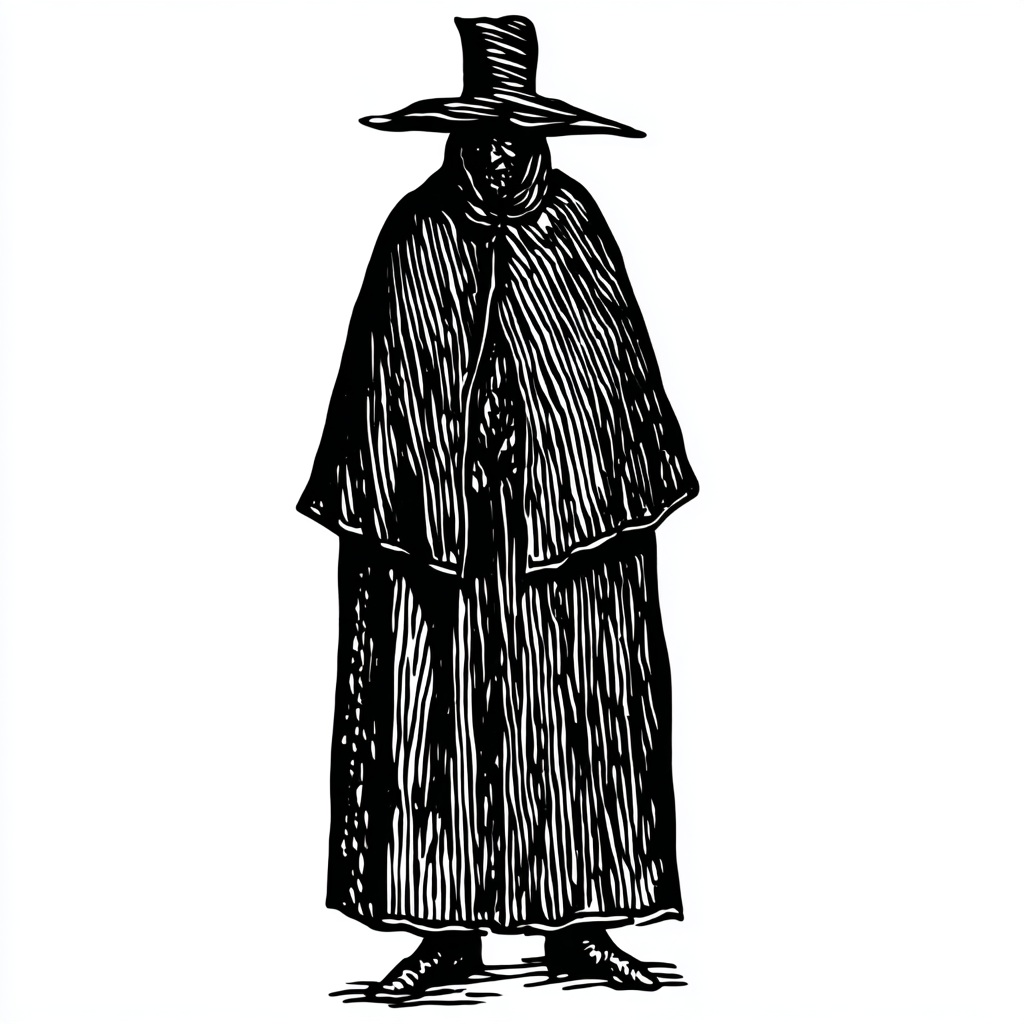
The Man In Black
Opposition
He is the face Opposition wore when what is fated is deemed unacceptable and alternatives were sought. Most Cunning Folk would shun him rather than cross that line. Will you?
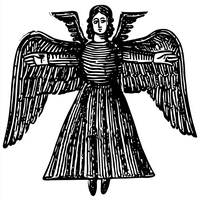
The Angel
Providence
She is the face Providence wore when it arrived in person. Not the only form that power took, but the one that gave it a presence, a figure, a face the Cunning Folk knew well.
Join The Cunning Folk Cards to save your Readings & Spells:
Your Spell Book
Save your Readings & Spells
A Cunning Folk’s book was never finished, but always added to. Join the Cunning Folk Cards to create a Spell Book of your own to record every Reading and Spell.
The Gift might come from blood, from contact, from graft, or from choice:
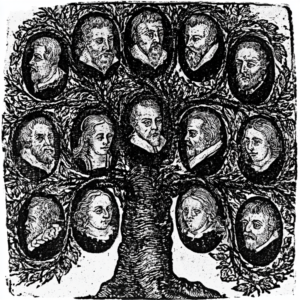
Innate Power
The Gift received by Blood.
♥
Some children arrive already marked, the Gift inside their blood from birth.
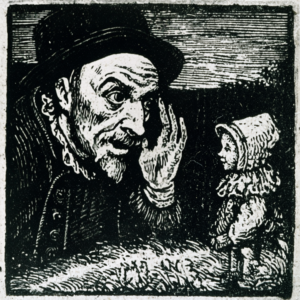
Otherworldly Help
The Gift received by Contact.
♦
Some are taken, briefly, by something that does not belong to this world, and return changed.
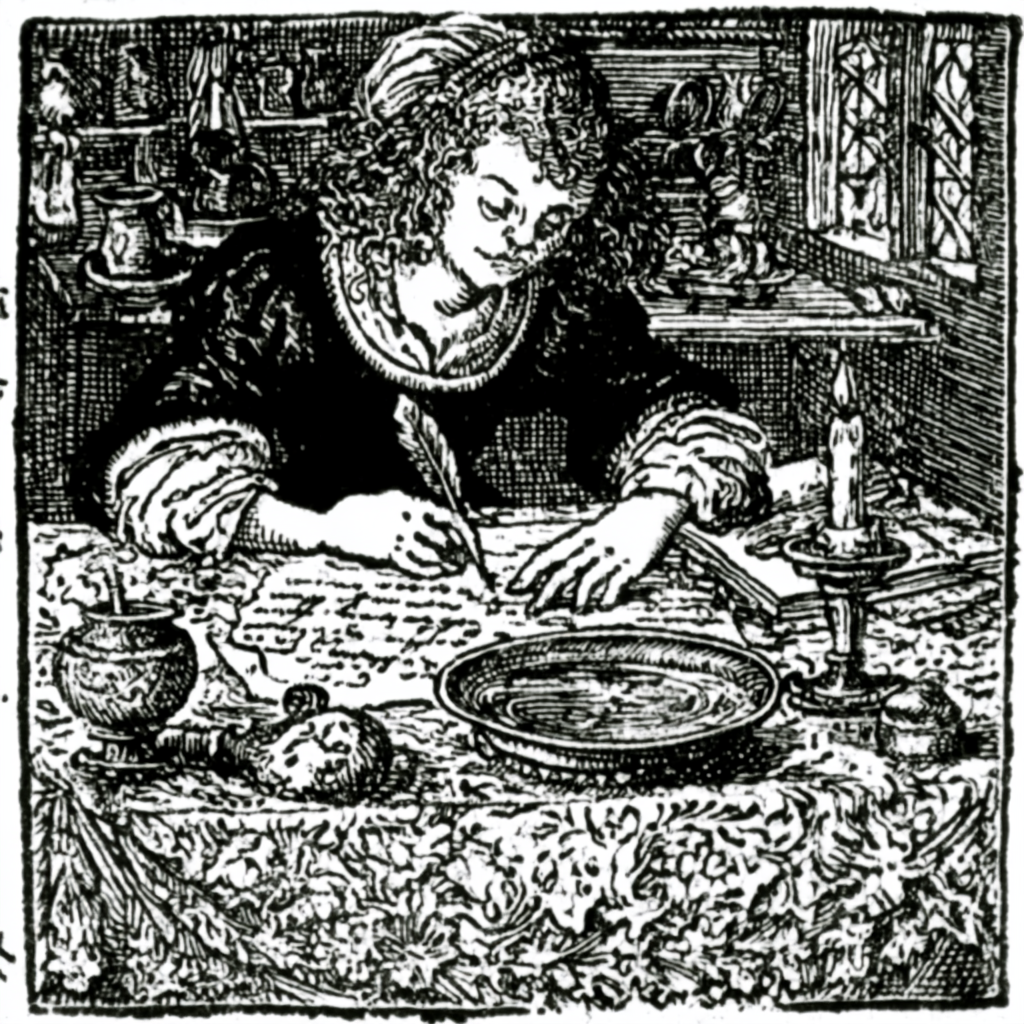
Earned Mastery
The Gift received by Graft.
♣
Some gifts are given to ourselves. They are built, alone, over years no one was watching.
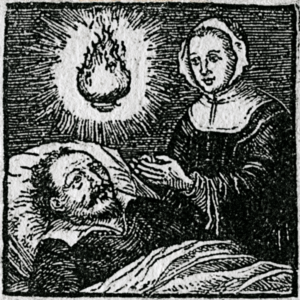
Inherited Craft
The Gift received by Choice.
♠
Some gifts exist only because someone has died and passed it on to a chosen one.